
quick answer#
the future of data engineering workflows with ai is about moving from manual coding to intelligent orchestration. ai agents will handle boilerplate code, pipeline generation, and data quality checks, allowing data engineers to focus on architecture, governance, and business value.
who this is for#
- audience: data engineers, analytics engineers, data architects, and technical leaders.
- prerequisites: an understanding of modern data stack concepts and basic ai principles.
- when to use this guide: when planning your data strategy and evaluating how to integrate ai into your engineering practices.
why this matters#
the volume and complexity of data are growing faster than engineering teams can scale. relying solely on manual workflows leads to bottlenecks, technical debt, and delayed insights. embracing ai is not just about efficiency, it is a strategic imperative to remain competitive.
step-by-step#
1) define the starting point#
traditionally, data engineering has been a highly manual discipline. engineers spend countless hours writing sql, configuring orchestrators like airflow, and debugging failed pipelines. this approach is brittle and scales poorly as the organization grows.
2) apply the change#
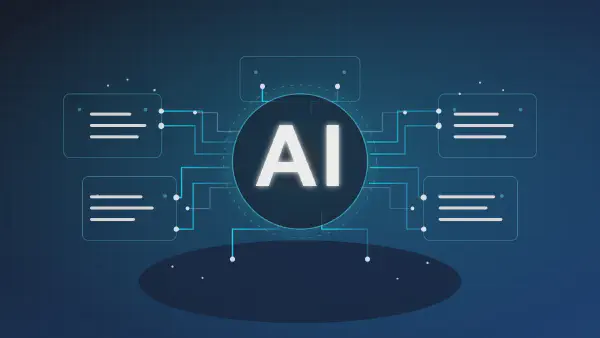
the integration of ai changes this paradigm. large language models can now generate complex sql queries, translate between dialects, and even suggest optimal data models based on source schemas. ai agents can monitor pipeline health, automatically retry transient failures, and alert engineers only when human intervention is necessary. this shift transforms the engineer from a coder into a system architect.
3) validate the result#
the impact of this transformation is measurable. development cycles shorten, data quality improves through automated testing, and the overall reliability of the platform increases. engineers spend less time firefighting and more time building scalable, resilient architectures that drive business decisions.
faq#
what is the most important caveat?#
ai is a tool, not a replacement for fundamental engineering principles. you still need a strong understanding of data modeling, governance, and security to build a robust platform.
what should i do first?#
start by identifying the most repetitive tasks in your workflow, such as writing documentation or basic transformations. experiment with ai tools to automate these specific areas before attempting to overhaul your entire architecture.